Kicking off with Trading Crypto on Bybit: Tips for Low-Risk Strategies, this opening paragraph is designed to captivate and engage the readers, setting the tone casual formal language style that unfolds with each word.
Bybit is a popular cryptocurrency exchange platform known for its low-risk strategies in trading. This guide will delve into essential tips and techniques for maximizing gains while minimizing risks on Bybit.
Introduction to Bybit Trading
Bybit is a cryptocurrency exchange platform that allows users to trade various digital assets. Trading crypto on Bybit involves buying and selling cryptocurrencies in order to profit from the price movements in the market.
Bybit has gained popularity among traders due to its user-friendly interface, advanced trading features, high liquidity, and security measures. It offers leverage trading options, perpetual contracts, and a range of cryptocurrencies to trade.
Low-Risk Strategies for Trading on Bybit
When trading on Bybit, it is crucial to implement low-risk strategies to protect your capital and maximize your profits. This involves setting stop-loss orders, diversifying your portfolio, and utilizing technical analysis to make informed trading decisions.
Tips for Setting Stop-Loss Orders
Setting stop-loss orders is essential to manage risk and protect your investment from significant losses. By setting a stop-loss order at a predetermined price level, you can automatically sell your position if the market moves against you. This helps to limit your losses and prevent emotional decision-making during volatile market conditions.
The Importance of Diversifying Your Portfolio
Diversifying your portfolio across different assets can help reduce overall risk exposure. By spreading your investments across various cryptocurrencies or trading pairs, you can minimize the impact of a single asset’s price movement on your entire portfolio. This strategy can help you achieve a more stable return on your investments over time.
The Role of Technical Analysis
Technical analysis involves studying historical price data and market trends to identify potential entry and exit points for trades. By analyzing charts, indicators, and patterns, traders can make more informed decisions about when to buy or sell assets. This can help improve the accuracy of your trading strategies and increase your chances of success in the market.
Leveraging Long and Short Positions
When trading on Bybit, it’s essential to understand the concepts of long and short positions, as well as how leverage can impact your trading strategies.
Difference Between Long and Short Positions
In trading, a long position is when you expect the price of an asset to increase over time, allowing you to buy low and sell high. On the other hand, a short position is when you anticipate the price of an asset to decrease, enabling you to sell high and buy low at a later time.
Examples of When to Use Long or Short Positions for Low-Risk Strategies
- Use a long position when the market is in an uptrend and you predict a bullish movement in the asset’s price. This can be a low-risk strategy if you have done thorough research and analysis to support your decision.
- Opt for a short position when the market is bearish, and you anticipate a decline in the asset’s value. By short-selling, you can profit from falling prices and mitigate risks in a downward market trend.
How Leverage Can Amplify Gains and Risks in Trading
Bybit offers leverage trading, allowing you to amplify your gains by increasing your exposure to the market with borrowed funds. While leverage can enhance profits, it also magnifies losses, as any price movement can have a significant impact on your position.
Therefore, it’s crucial to use leverage wisely and manage your risk effectively to avoid substantial losses.
Risk Management Techniques
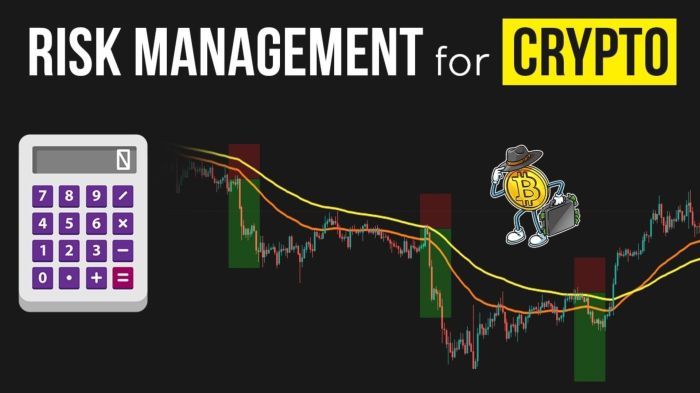
Risk management is a crucial aspect of successful crypto trading, as it helps traders protect their capital and minimize losses. By implementing effective risk management techniques, traders can navigate the volatile crypto market with more confidence and discipline. Here, we will discuss key strategies to manage risk effectively in crypto trading.
Position Sizing to Control Risk Exposure
Position sizing refers to determining the amount of capital to risk on each trade based on the level of risk tolerance and the size of the trading account. By using position sizing effectively, traders can control their risk exposure and prevent significant losses.
It is essential to calculate the position size based on factors such as stop-loss levels, account size, and risk percentage per trade.
- Calculate position size based on risk percentage: Determine the percentage of your trading account that you are willing to risk on each trade. This will help you set appropriate stop-loss levels and allocate capital efficiently.
- Set stop-loss orders: Implement stop-loss orders to limit potential losses on each trade. By setting a stop-loss level based on your risk tolerance, you can protect your capital and manage risk effectively.
- Diversify your trades: Avoid putting all your capital into one trade. Diversifying your trades across different assets or markets can help reduce the impact of potential losses on your overall portfolio.
Effective position sizing is key to managing risk and protecting your trading account in the volatile crypto market.
Setting Realistic Profit Targets and Sticking to Your Trading Plan
Setting realistic profit targets is essential for maintaining discipline and managing risk in crypto trading. By defining profit targets based on technical analysis, market trends, and risk-reward ratios, traders can make informed decisions and avoid emotional trading. It is crucial to stick to your trading plan and avoid deviating from your strategy based on market fluctuations or impulsive decisions.
- Define profit targets based on technical analysis: Use indicators, chart patterns, and market trends to set realistic profit targets for each trade. This will help you make informed decisions and manage risk effectively.
- Follow your trading plan: Stick to your predefined trading plan and avoid making impulsive decisions based on emotions or short-term market movements. Consistency and discipline are key to successful risk management in crypto trading.
- Review and adjust your trading plan: Regularly review your trading plan and adjust it based on changing market conditions or personal risk tolerance. By staying flexible and adapting to market dynamics, you can enhance your risk management strategies.
Sticking to your trading plan and setting realistic profit targets are essential for effective risk management and long-term success in crypto trading.
Final Summary

In conclusion, mastering low-risk strategies on Bybit can pave the way for successful crypto trading. By implementing these tips and techniques, traders can navigate the volatile market with confidence and precision, ultimately leading to profitable outcomes.
Q&A
How can I effectively manage risk when trading on Bybit?
To manage risk effectively on Bybit, it is crucial to use stop-loss orders, diversify your portfolio, and practice proper risk management techniques like position sizing.
What is the significance of leveraging long and short positions on Bybit?
Leveraging long and short positions allows traders to profit from both rising and falling markets. By understanding when to use each position strategically, traders can maximize gains while minimizing risks.
How important is technical analysis in trading crypto on Bybit?
Technical analysis plays a vital role in identifying entry and exit points for trades on Bybit. By utilizing technical indicators and chart patterns, traders can make informed decisions and enhance their trading strategies.










![Benefits of Servicing Your Air Conditioning Regularly [2024]](https://finance.radarcirebon.tv/wp-content/uploads/2025/07/Benefits-of-Air-Conditioning-Servicing-on-the-Regular-Featured-Image-980x551-1-120x86.jpg)