Air Conditioner Not Cooling Properly? Here’s What to Check sets the stage for this enthralling narrative, offering readers a glimpse into a story that is rich in detail and brimming with originality from the outset.
The content of the second paragraph that provides descriptive and clear information about the topic
Common Reasons for an Air Conditioner Not Cooling Properly
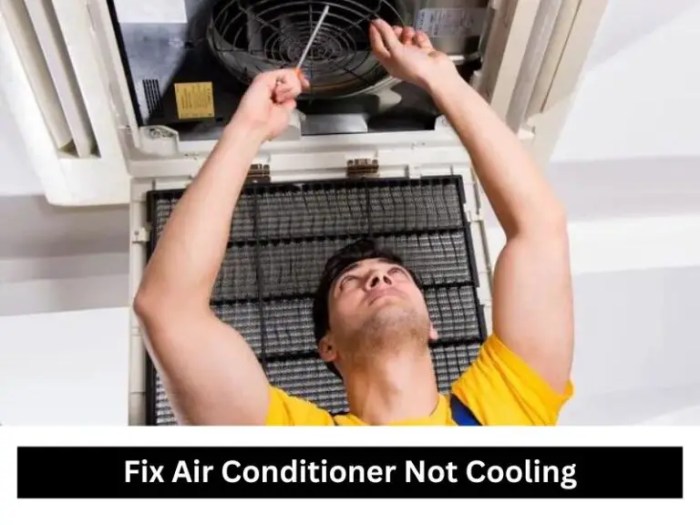
When your air conditioner is not cooling properly, there are several common reasons that could be causing the issue. Identifying these factors can help you troubleshoot the problem and ensure your AC unit is working efficiently.
Clogged Air Filters
One of the most common reasons for an air conditioner not cooling properly is clogged air filters. When air filters are dirty or blocked, airflow is restricted, making it harder for the AC unit to cool the air effectively. This can lead to reduced cooling performance and higher energy consumption.
Refrigerant Leaks
Another common issue that can cause your air conditioner to not cool properly is refrigerant leaks. Refrigerant is responsible for absorbing heat from the air, and if there is a leak in the system, the AC unit will struggle to cool the air efficiently.
This can result in warm air coming out of the vents instead of cool air.
Issues with the Thermostat
Issues with the thermostat can also impact the cooling performance of your air conditioner. If the thermostat is not functioning properly or is not set correctly, the AC unit may not cool the air to the desired temperature. This can lead to uneven cooling or the AC running constantly without reaching the set temperature.
Regular Maintenance
To prevent these common issues and ensure your air conditioner is cooling properly, it’s important to schedule regular maintenance. This includes changing air filters, checking for refrigerant leaks, and calibrating the thermostat. By keeping up with routine maintenance, you can prolong the life of your AC unit and maintain optimal cooling performance.
Checking the Air Filters
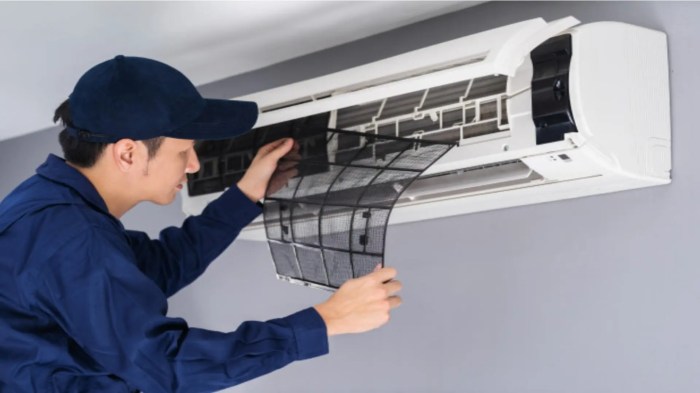
Cleaning or replacing air filters is crucial for maintaining the efficiency of an air conditioner. Clogged or dirty air filters can restrict airflow, causing the system to work harder and potentially leading to reduced cooling performance and higher energy consumption.
Locating and Inspecting Air Filters
To locate and inspect air filters in an air conditioning unit, follow these simple steps:
- Turn off the air conditioner: Before checking the air filters, make sure to turn off the unit to avoid any accidents.
- Find the air filter access panel: Most air conditioners have the air filter located behind a panel on the front of the unit or inside the air handler.
- Remove the air filter: Carefully remove the air filter from its housing to inspect its condition.
- Inspect the air filter: Check for any dirt, dust, or debris accumulated on the filter. If it looks dirty or clogged, it’s time for cleaning or replacement.
Maintenance Frequency for Air Filters
It is recommended to clean or replace air filters every 1 to 3 months, depending on factors like the environment, usage frequency, and filter type. Homes with pets or smokers may need more frequent filter changes to ensure optimal performance.
Regular maintenance of air filters can help improve indoor air quality, extend the lifespan of your air conditioner, and keep energy costs in check.
Evaluating Refrigerant Levels
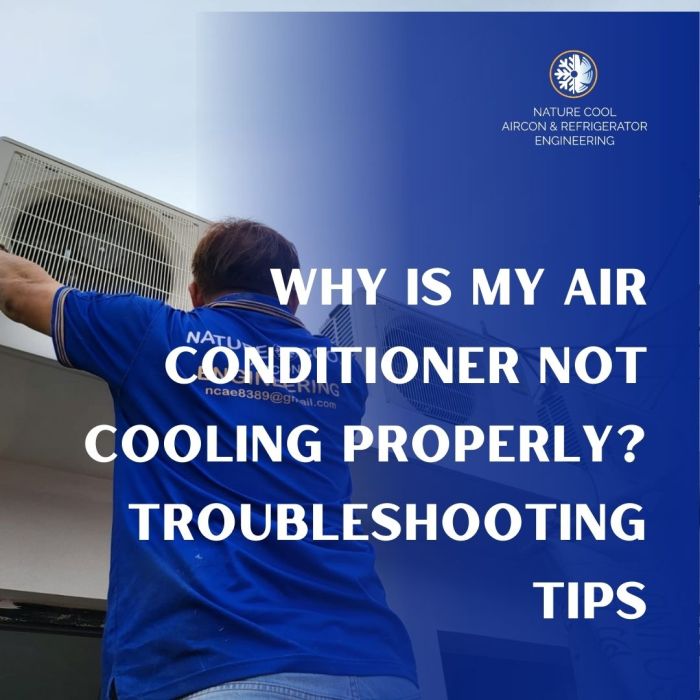
Refrigerant plays a crucial role in the cooling process of an air conditioner. It is the substance responsible for absorbing heat from the air inside your home and releasing it outside, allowing the air conditioner to cool the indoor space effectively.
Signs of Low Refrigerant Levels
When an air conditioner is low on refrigerant, there are several signs that may indicate this issue. Some common indicators include:
- Warm air blowing from the vents
- Increased humidity levels indoors
- Frost or ice buildup on the evaporator coil
- A noticeable decrease in cooling performance
Checking and Refilling Refrigerant
Checking and refilling refrigerant in an air conditioning system should be done by a professional HVAC technician. The process involves:
- Performing a leak test to identify any refrigerant leaks
- Recovering any existing refrigerant from the system
- Vacuuming the system to remove any air and moisture
- Adding the correct amount of new refrigerant based on manufacturer specifications
- Testing the system to ensure it is operating efficiently
Examining the Thermostat Settings
When your air conditioner is not cooling properly, it is essential to check the thermostat settings to ensure they are configured correctly for cooling. The thermostat plays a crucial role in regulating the temperature of your home, so any issues with it can lead to cooling problems.
Checking Thermostat Configuration
- Start by verifying that the thermostat is set to “cool” mode. Sometimes, it may accidentally get switched to “heat” or “off,” causing the air conditioner not to cool properly.
- Ensure that the temperature setting is lower than the current room temperature. If the set temperature is higher, the air conditioner will not kick in to cool the space.
- Check if the fan setting is on “auto” rather than “on.” Having the fan constantly running can circulate air without cooling it effectively.
Calibrating the Thermostat
Calibrating the thermostat involves adjusting it to accurately reflect the temperature in your home, leading to more precise cooling control.
- Consider using a separate thermometer to compare the actual room temperature with the reading on the thermostat. If there is a significant difference, the thermostat may need recalibration.
- Consult the manufacturer’s manual or contact a professional to recalibrate the thermostat for optimal performance.
Troubleshooting Thermostat Issues
- Replace the batteries in the thermostat if it is battery-operated. Weak or dead batteries can cause the thermostat to malfunction.
- Inspect the thermostat for any dust or debris that may be affecting its sensors. Clean the thermostat carefully to ensure proper functionality.
- If you suspect a more significant issue with the thermostat, such as wiring problems, it is best to seek assistance from an HVAC technician to diagnose and address the issue.
Outcome Summary
The content of the concluding paragraph that provides a summary and last thoughts in an engaging manner
Questions Often Asked
What are some common reasons for an air conditioner not cooling properly?
Some common reasons include clogged air filters, refrigerant leaks, or issues with the thermostat. Regular maintenance can help prevent these issues.
How often should air filters be replaced or cleaned?
Air filters should typically be replaced or cleaned every 1-3 months to maintain optimal performance.
What signs indicate low refrigerant levels in an air conditioner?
Signs include reduced cooling performance, ice buildup on the coils, or hissing sounds from the unit.
Why is it important to calibrate the thermostat for accurate temperature control?
Calibrating the thermostat ensures that it accurately reads and maintains the desired temperature, preventing cooling issues.
How can one troubleshoot thermostat issues that may cause cooling problems?
Troubleshooting steps may include checking the settings, replacing batteries, or recalibrating the thermostat for proper functionality.








![Benefits of Servicing Your Air Conditioning Regularly [2024]](https://finance.radarcirebon.tv/wp-content/uploads/2025/07/Benefits-of-Air-Conditioning-Servicing-on-the-Regular-Featured-Image-980x551-1-120x86.jpg)